
Data Centres: What’s all the buzz about?
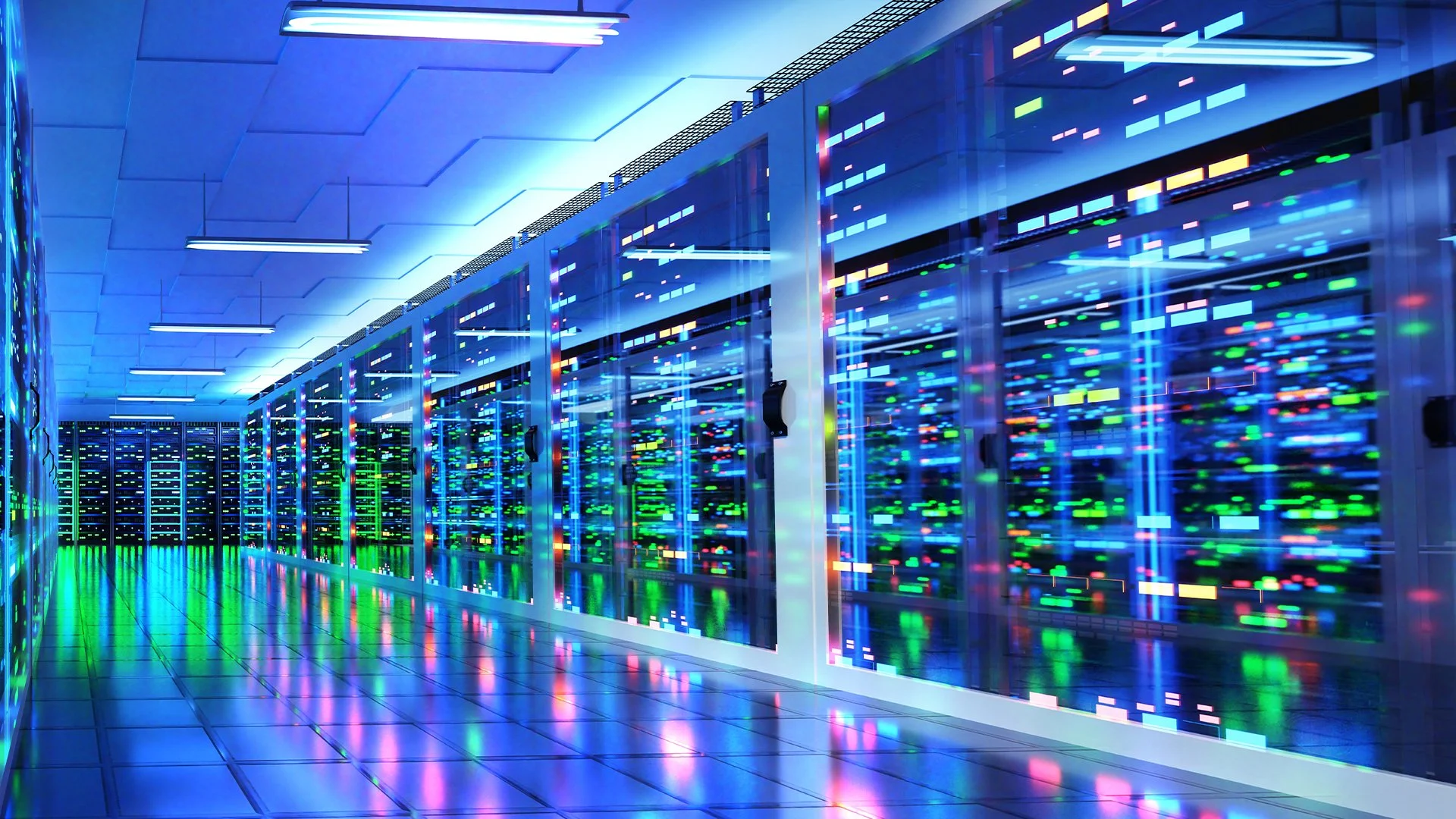
Whenever you send an email, stream a movie, make an online payment, use cloud software tools or ask an artificial intelligence (AI) tool a question, a data centre is doing the work behind the scenes.
They are now a vital part of the modern economy—much like roads, airports and electricity networks. Data centres and AI could potentially be one of the most searched online terms for 2026. Most of us use a data centre every day, even though we may never see one. And there has been considerable media coverage of data centres and their increasingly noticeable presence in our neighbourhoods.
What Is a Data Centre?
Put simply, a data centre is a highly secure building filled with specialised computers called servers. It also contains the cooling systems, backup power and communications equipment needed to keep those servers operating around the clock.
We often talk about information being stored “in the cloud”, but the cloud is not an invisible place. It relies on physical data centres located around the world. When you open a photo, log in to online banking or watch a video, the information will usually be coming from one of these facilities.
Why Are Data Centres So Important?
Data centres have become the backbone of the digital economy.
Businesses use them to run software, store information and support staff working across different locations. Governments rely on them to deliver services, while banks and other financial institutions need them to process transactions securely. Newer technologies, including artificial intelligence and advanced data analysis, require even greater computing capacity.
Without data centres, many services we now take for granted would simply stop working.
Why Are They Growing So Quickly?
Demand for digital services has been growing for some time, but several trends are pushing it along more quickly:
· More businesses moving systems and software to the cloud.
· Continued growth in video streaming and online content.
· The expansion of digital payments and online shopping.
· More information being created and stored by businesses and consumers.
· The rapid take-up of artificial intelligence and AI-enabled applications.
AI is a particularly strong driver. Training and running advanced AI systems takes a great deal of computing power, which means larger, more sophisticated data centres—and more of them.
Data Centres and Investing
For investors, data centres are about more than technology alone. They sit at the intersection of property, infrastructure and technology, combining physical assets with long-term demand for digital services.
They bring together several long-term themes: the shift to digital services, cloud computing, artificial intelligence and the steady growth in data use. This has attracted infrastructure funds, real estate investment trusts (REITs) and listed property companies that own or develop data-centre assets. These businesses generally earn income by leasing secure space, power capacity and connectivity to cloud providers, technology companies, governments and other large users.
The quality of an asset can depend heavily on its location. Reliable access to electricity, strong fibre connections, suitable land and proximity to customers are all important. Once a facility is operating and connected to a customer’s systems, moving that workload elsewhere can be costly and disruptive. This can support longer-term leases and relatively stable income for well-positioned operators.
A diversified portfolio may already have some exposure through infrastructure funds, global property securities or companies that supply the power, networking equipment and specialised hardware these facilities need. Exposure can therefore extend beyond the owners of the buildings to the broader group of businesses involved in constructing, connecting and operating them. Data-centre assets are already held in a number of listed infrastructure and global real estate funds used by Australian investors.
For investors, the appeal may include a mix of income and capital growth, supported by rising demand for computing capacity. However, not every company will benefit equally. Balance-sheet strength, development costs, access to power, the quality of customers and the price paid for an investment all remain important. For this reason, diversified exposure through an experienced fund manager may be more appropriate than relying on a single operator or project.
Risks and Challenges
The long-term case for data centres is strong, but the sector is not without its challenges.
Energy use is one of the biggest issues. Servers and cooling systems require a substantial and reliable supply of electricity, and AI is adding to that demand. In some markets, the question is no longer whether more data centres can be built, but whether the local power network can support them.
Water use also needs to be considered. Some facilities rely on water-based cooling, which can put pressure on local supplies, particularly in drought-prone areas. This is encouraging operators to invest in more efficient cooling technology.
There is also an investment risk if too many facilities are built ahead of demand. That could place pressure on rents and returns. Technology also moves quickly, so operators need to keep spending on upgrades to remain efficient and competitive.
Cybersecurity and reliability are equally important. Data centres are designed with multiple layers of security and backup systems, but outages, cyber incidents and equipment failures can still disrupt critical services and create significant costs.
Valuation is another point to watch. Investor enthusiasm about AI has helped lift interest in data-centre assets. AI may well support demand for many years, but high expectations can push prices too far and lead to greater volatility.
Even with these challenges, data centres are likely to remain an essential part of the global economy. For investors, the task is to weigh the growth opportunity against the operational, environmental and valuation risks that come with a fast-growing sector.
The Bottom Line
Data centres tend to sit out of sight, but they now support much of daily life—from online banking and streaming to cloud computing and artificial intelligence.
Their growth prospects are attractive, but they are not risk-free. Access to power and water, cybersecurity, competition and the price paid for assets all matter when considering an investment in the sector.
As more of the economy moves online, demand for data storage and computing power should continue to grow. That makes data centres a theme worth watching—not simply as technology assets, but as infrastructure that supports the way we live and do business.